
Hancock County Arrest Records and Court Charges
Arrest records document the law-enforcement event: a person is taken into custody, booked, or connected to an arresting agency. In Hancock County, the sheriff and jail side handles custody information, jail records, reports, and local law-enforcement records. The jail page states that any person arrested in the county, for any offense from misdemeanor to felony, is brought to the Hancock County Jail. The jail and sheriff offices are separate from the courthouse and the clerk's court file.
Court charges after arrest begin when the Prosecuting Attorney files the formal charge in court. Once that happens, the charge is tracked in MyCase and in the clerk's criminal case file. The court charge record can show the statutory citation, charge description, severity level, offense date, plea, charge status, disposition, and sentence result. For the custody and booking side, use the jail and inmate lookup resources. For the full case file and sentence, use the Hancock County criminal court records page.
Find Hancock County Arrest Records and Charges
Start with Indiana MyCase when the goal is to see the filed court charges after arrest. Search by defendant name or case number, narrow to Hancock County, and open the criminal case result. The charge section and chronological case summary show the formal court record, not just the intake information from booking. If the person is currently in custody, the sheriff-linked JailTracker roster and Indiana jail portal may provide custody context, but the court case shows the prosecutor-filed charge status.
- Search MyCase by case number or defendant name and narrow to Hancock County when possible.
- Open the criminal case and review the charge list, statute citation, level, plea, and status for each count.
- Read the chronological case summary for bond, initial hearing, warrant, disposition, sentencing, or dismissal entries.
- Check current custody through the jail roster if booking or bond status is the issue.
- Request certified court documents from the Hancock County Clerk when official proof of the charge or disposition is needed.
Sheriff records are requested through the sheriff's NextRequest portal or records office when the record sought is a crash report, case report, local background check, or sheriff-held public record. The sheriff records page also directs users to MyCase for active Indiana warrant verification. The clerk handles court copies; the sheriff handles law-enforcement reports. Mixing those channels can slow a request.
Hancock Charges Filed After Arrest
Indiana uses the term Prosecuting Attorney rather than District Attorney. Hancock County Prosecutor Brent E. Eaton represents the State of Indiana and prosecutes state-law violations in courts with criminal jurisdiction. After an arrest, the prosecutor decides which formal charge, if any, is filed. A booking charge can be based on arrest intake information and may not match the final prosecutor-filed court charge. The court record should be used for filed charges, current charge status, and final disposition.
| Charging Document | Who Uses It | What It Does | Hancock County Search Note |
|---|---|---|---|
| Complaint | Prosecutor or law-enforcement supported filing | States the accusation and facts used to start or support a criminal case. | Look for the filed case and docket entries in MyCase. |
| Information | Prosecutor | Formal charging document used for many Indiana criminal cases. | The charge section may list the statute, level, and offense date. |
| Indictment | Grand jury process | Formal accusation returned through a grand jury process. | Less common locally, but still read through the filed court case if public. |
The PACER Southern District of Indiana lookup is assigned to this page for federal criminal and civil cases.
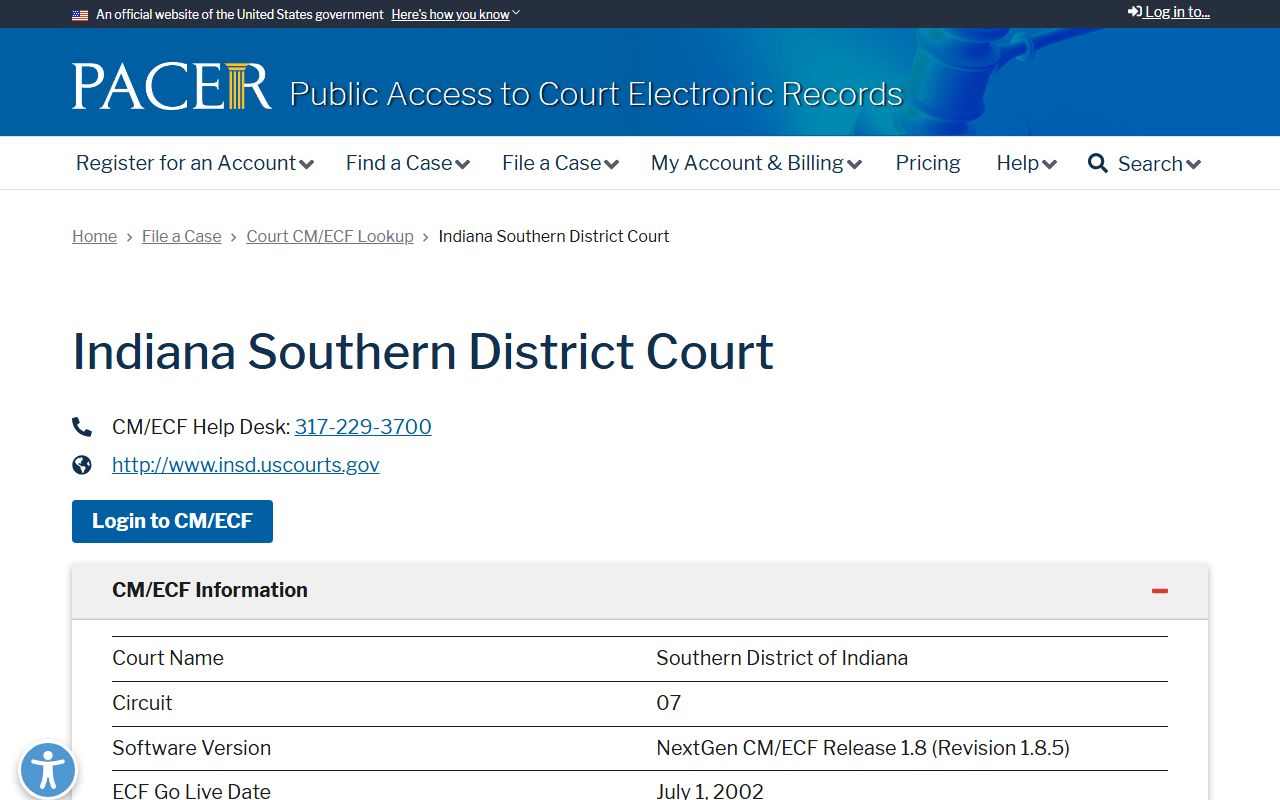
Federal charges are not filed with the Hancock County Clerk, so a federal case must be checked through Southern District CM/ECF or PACER instead of MyCase.
Hancock County Charge Status
A charge can change after the first filing. The prosecutor may amend the charge, reduce it, add a count, dismiss a count, or proceed to plea or trial. A court can also enter disposition and sentence after the charge is resolved. The key is to read each count separately. One arrest can result in multiple court charges, and each charge can have a different outcome.
| Status | What It Means | How to Read It |
|---|---|---|
| Pending | The charge is open and has not reached final disposition. | Check the next hearing date, bond entry, and any pending motions. |
| Amended | The filed charge was changed by the prosecutor or court process. | Compare the original count with the current count before drawing conclusions. |
| Reduced | The charge level or offense was lowered as part of the case process. | Read the plea and disposition entry for the final result. |
| Dismissed | The charge was dropped by court action or prosecution decision. | Confirm whether other counts in the same case remained active or ended in conviction. |
| Convicted | The charge resulted in a guilty plea or finding of guilt. | Read the sentencing entry for probation, jail, prison, costs, fines, or restitution. |
Hancock Charges vs Convictions
Being charged is not the same as being convicted. A charge is an accusation filed into the court record. A conviction is a court outcome that follows a guilty plea or finding of guilt. Hancock County arrest records may start with booking information, but the court charge record must be read through the disposition and sentencing lines before it is treated as an outcome. This distinction is critical when a charge was dismissed, reduced, or amended.
| Charge | Conviction | |
|---|---|---|
| Stage | Filed accusation after arrest or summons. | Final guilty plea or finding of guilt. |
| Where It Appears | Charge list, charging document, and early docket entries. | Disposition, judgment, plea, and sentencing entries. |
| Can Change | May be amended, reduced, added, or dismissed. | May later be affected by appeal, post-conviction relief, sealing, or expungement. |
| Best Verification | Read each count and its current status. | Read the disposition and sentence for each count. |
Hancock Sheriff Reports vs Charges
Sheriff reports and court charges serve different purposes. The sheriff records page covers local background checks, crash reports, case reports, and public-record requests. It lists crash reports through NextRequest or office pickup at $8, buycrash.com downloads at $12, and case reports through NextRequest or office pickup at $5. Pickups require calling ahead at 317-477-1147 so staff can locate the report and have it ready. Those reports are law-enforcement records, not certified court charge records.
Court charge records come from MyCase and the clerk file. The clerk provides court case copies at $1 per page and certification at $3 per certification. The Request for Information form should identify the requested court record with reasonable particularity. If the needed item is the filed information, probable-cause affidavit if public, charge disposition, sentencing order, or certified criminal judgment, the clerk is the proper record channel.
Note: Ask the sheriff for reports and the clerk for certified court charges, dispositions, and sentencing records.
Charge Codes and Severity Levels
Hancock County criminal and charge records use Indiana case and offense language. The fee schedule identifies CM for criminal misdemeanor, MC for miscellaneous criminal, F1 through F6 for felony levels, and PC for post-conviction relief. Traffic and ordinance matters may use IF for infraction or OV for local ordinance violation. A charge entry may also list a statute citation, charge description, severity or classification, offense date, plea, and disposition. The charge code helps identify the case type, but the disposition explains what happened to the charge.
Severity matters because the assigned court and case path can differ. Superior Court II handles misdemeanors, Class D felonies, traffic infractions, and small claims. Superior Court I handles serious felony criminal cases as part of broader general jurisdiction. Circuit Court also handles criminal cases. The public search result should be checked for both the case type and assigned court before any request is sent to the clerk.
State and Federal Custody After Charges
After charges and sentencing, custody records may move outside the county jail. The Indiana Department of Correction offender locator covers sentenced state-prison custody and is separate from Hancock County Jail custody. Indiana SAVIN is a notification and offender search tool that can use a last name, offender identification number, or case number. The Federal Bureau of Prisons inmate locator covers federal inmates from 1982 to the present. These tools do not replace the court charge record, but they can help explain where a person is held after a court case results in custody.
The Indiana Department of Correction site is assigned to the Hancock County arrest records and court charges page.
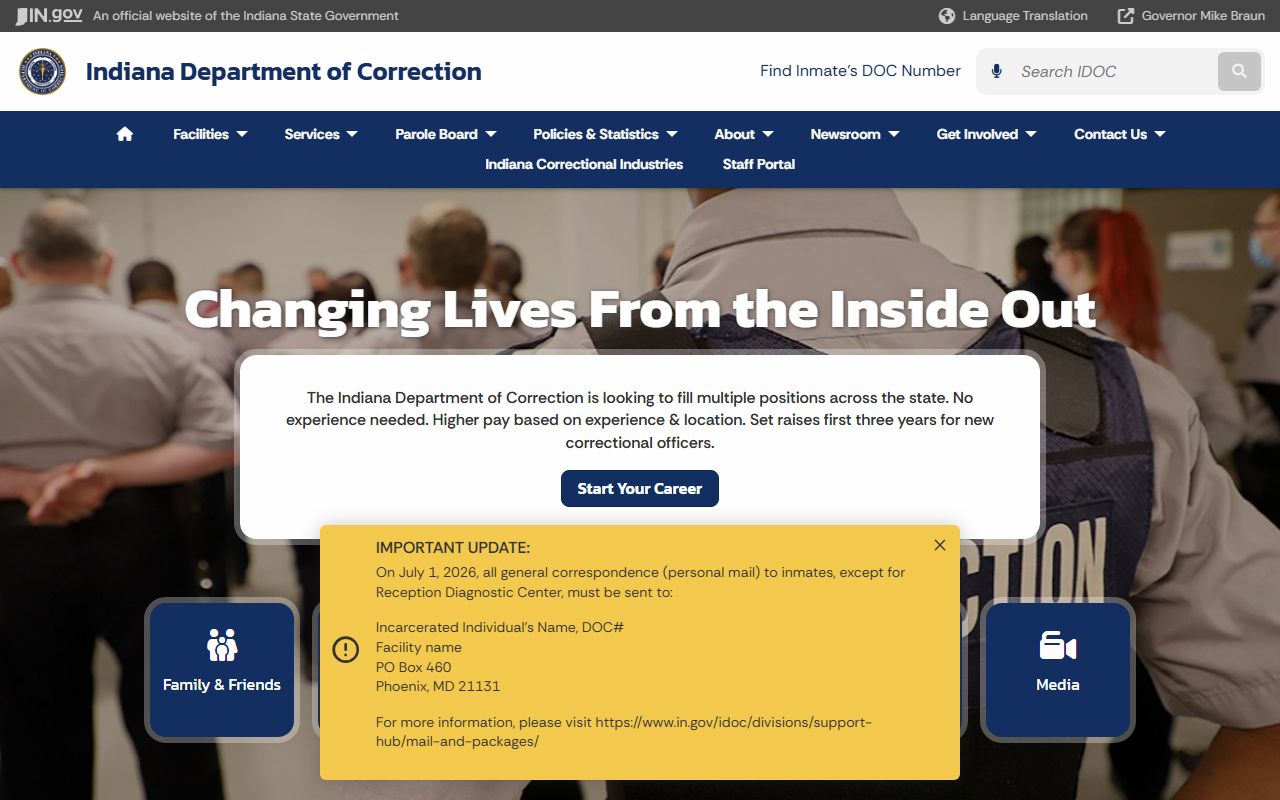
IDOC lookup is most useful after a sentence or transfer to state custody, while MyCase remains the source for the filed charge and disposition.
The Federal Bureau of Prisons inmate locator is also part of the assigned source set.
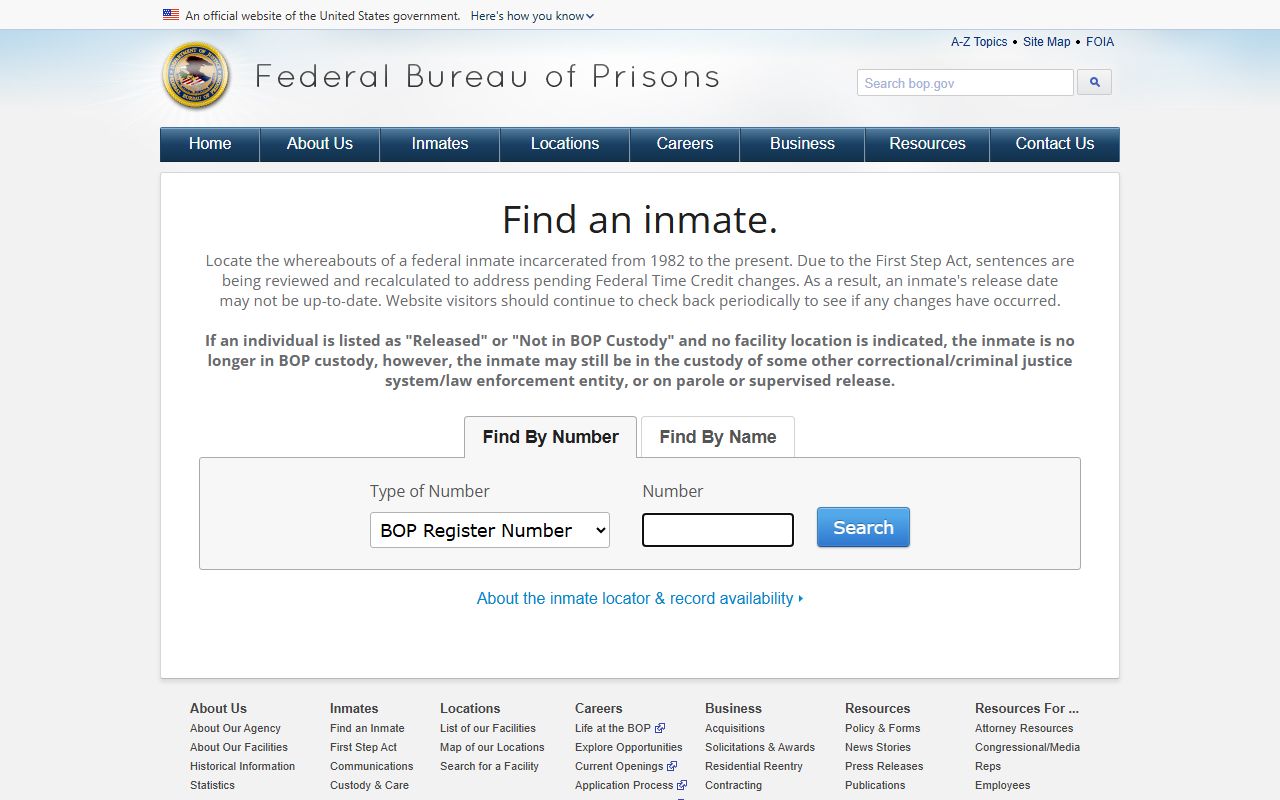
Federal custody lookup is separate from Hancock County arrest records and should be used only when the case or sentence is federal.
Hancock Sealed and Expunged Charges
Indiana expungement law can affect arrest records, charge records, and conviction records. The research identifies IC 35-38-9 as the expungement chapter for eligible arrest, charge, and conviction records. Hancock County expungement filings go through the court. The local fee schedule states that if the case did not result in a conviction, was dismissed, or was reduced to an infraction, no filing fee applies. Other expungement filings may carry a filing fee.
| Sealed | Expunged | |
|---|---|---|
| Public Access | The record or document is blocked from public view by law, rule, or court order. | The court grants statutory relief that can restrict public access to eligible records. |
| Common Reason | Juvenile, paternity, adoption, mental health, confidential data, or court order. | Eligible arrest, dismissed charge, reduced charge, or conviction record under Indiana law. |
| Where Filed | The court that controls the record or entered the sealing order. | The court through an expungement petition. |
| Search Impact | MyCase may hide the case, document, or specific data. | Public case view may be removed or limited based on the order and record type. |
Restricted Hancock County Charge Records
Some charge records are not public. Juvenile matters are confidential on the county public-records page, and parties must provide photo identification. Paternity, adoption, and mental health matters can also be restricted. Rule 5 of the Indiana Access to Court Records rules protects personal identifiers and other confidential information. A search may show a charge but hide a document, or it may withhold the entire case from public view.
Background checks add another layer. Court charge records are public access records when not restricted, but they are not the same as an official consumer report. Regulated screening for employment, tenant, credit, insurance, or similar uses must follow the proper legal channel. Public lookup should be verified against the clerk's official record, especially when a charge was dismissed, reduced, sealed, expunged, or tied to a confidential case.
Important: A filed charge is not proof of conviction; always read the disposition and sentence before relying on a charge record.